B
Build
What the business actually is, who it sells to, and what it should look like. Three directions presented, not fifteen, then one gets developed.
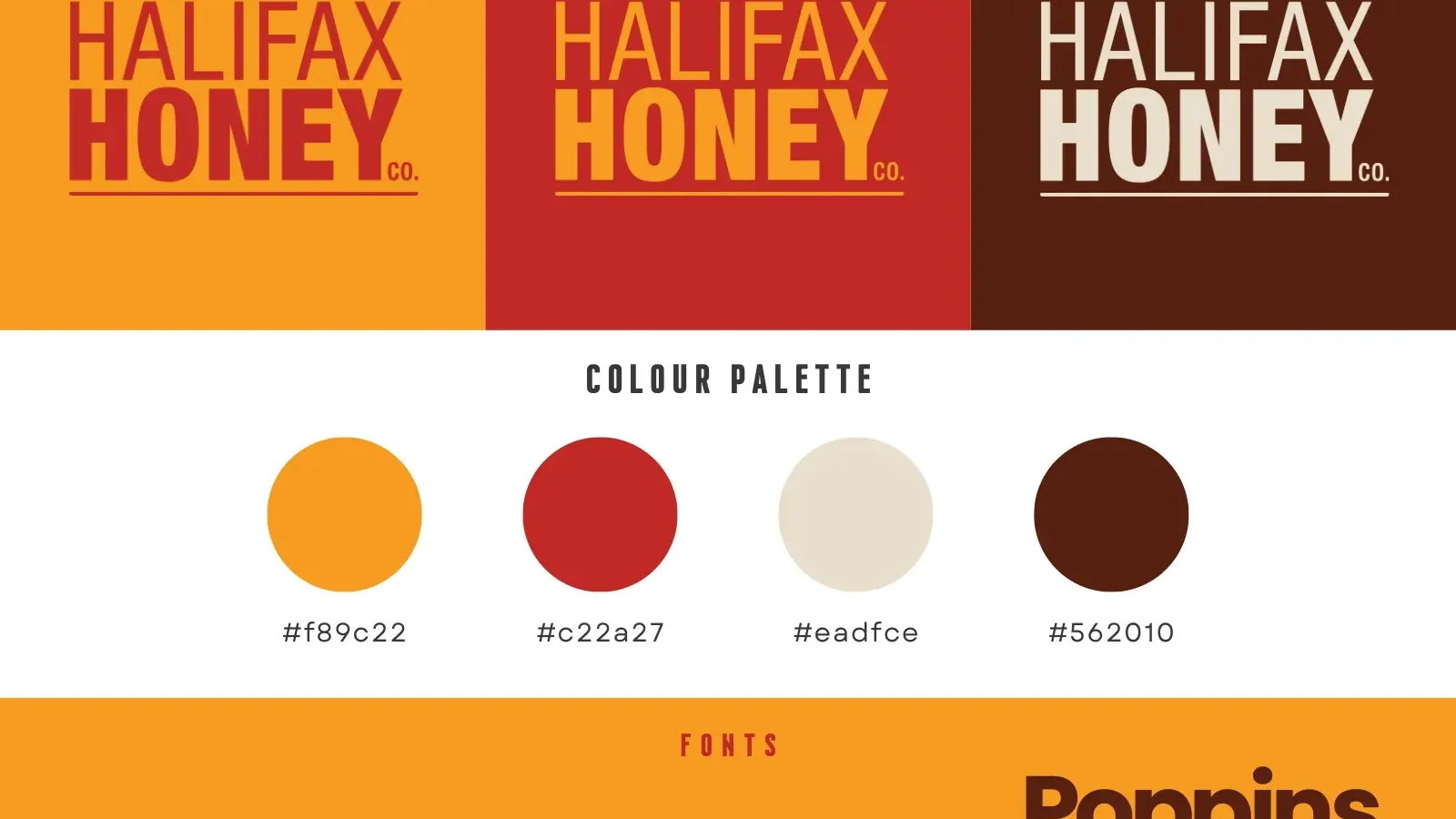
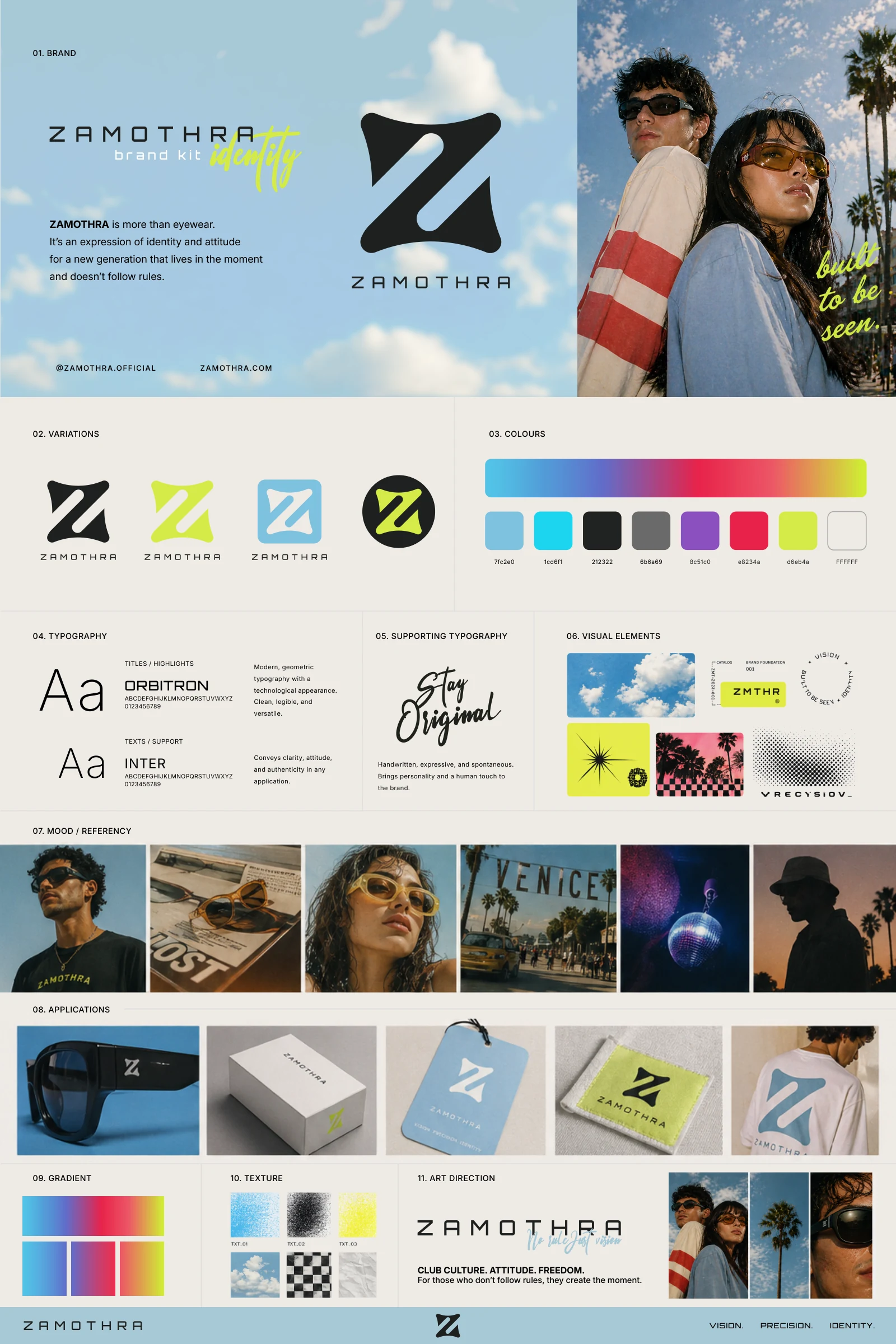
A brand is not a logo, it is every place people meet you looking like the same company. We build the identity and the rules that hold it together, then hand you the files and the guide to keep it consistent without us.
Get in touchThe full visual system: logo, colour, type, and the rules for how they behave together across everything you produce.
New marks built to work at any size, or your existing logo rebuilt as a proper vector so it stops degrading every time it is used.
The dos and don'ts, the file formats and the usage rules, written so the next designer or printer you hire does not have to guess.
Decks, one-pagers, packaging, signage, vehicle wraps, print. The everyday material that is usually where brand consistency quietly breaks.
Editable templates for the formats you post most, so your team can produce on-brand content without a designer in the loop every time.
Rolling the new identity across the site, the profiles, the documents and the signage, which is the part most rebrands leave half-finished.
( BY THE NUMBERS )
Finance your Branding & Design engagement through Tabit and pay in flexible installments if that suits your business. Rates as low as 0%, and pre-qualifying is a soft check.

Full rebrands are scoped per project. The pieces most businesses need are priced here.
Prices in CAD, taxes extra.
Our operating system for growth: one continuous cycle that turns strategy, creative, execution and performance into a single engine.
What the business actually is, who it sells to, and what it should look like. Three directions presented, not fifteen, then one gets developed.
The chosen direction refined across real applications: a sign, a post, an invoice, a shopfront. Identities fail in application, not in presentation.
Brand kit, guidelines, templates and every file format handed over, so your team can stay consistent without calling us.
Applied across the site, social, print and packaging as the business grows, with the system extending rather than being reinvented.
Put your new brand on the emails, funnels and booking pages your business runs on every day. Growth Boss OS is the CRM and marketing platform our clients run on. Subscribe and your account is live in minutes.
Brand presentations are seductive. Big type, moody photography, a logo on a building that does not exist. Then the identity meets a real invoice, a van, a 40x40 pixel profile picture and a black-and-white photocopy, and it falls apart.
So we design against those first. The mark has to read at thumbnail size. The colours have to survive print and a phone screen. The type has to have a fallback for the day someone builds a document without the licensed font. None of that is glamorous and all of it is the difference between an identity you use and one that sits in a folder.
A finished brand engagement hands over the logo in every format you will need, including vector, the colour values for screen and print, the type system with licensing sorted, and a brand kit that says plainly what to do and what not to do. Plus the templates for whatever you produce most often.
Smaller pieces are available on their own. If you have a logo that works but only exists as a low-resolution image, vectorization alone solves a real problem cheaply. If your identity is fine but nobody knows how to apply it, the brand kit is the piece you need. We would rather sell you the piece that fixes your actual problem than a full rebrand you do not need.
A full rebrand is right when the business has genuinely changed: new audience, new offer, a name that no longer fits, or a merger. It is expensive in ways beyond the design fee, because everything carrying the old identity has to be replaced.
Far more often what is needed is a refresh: the mark is fine, the palette has drifted, nobody wrote the rules down, and five years of ad-hoc design has left the brand looking like four companies. That is cheaper, faster and usually the honest recommendation. We will tell you which one you are looking at, including when the answer means a smaller invoice.
Everything downstream is cheaper and better when the identity is settled. Content creation has a system to be consistent with instead of reinventing a look each month. The website gets built once rather than redesigned when the brand changes six months later. Ad creative stops looking like it came from three different companies.
That is why branding is usually first when a business is doing several of these at once, and why the brand kit is bundled into the foundation work. If you are starting from nothing, the order that wastes the least money is brand, then site, then content, then spend.
Businesses that have outgrown the logo someone's cousin made, brands whose materials no longer look like they come from the same company, and new ventures that want the foundation right before they start spending on marketing.
It is a poor fit if you want a logo for under a hundred dollars; that market exists and we are not competing with it. It is also a poor fit if nobody internally can make a decision, because branding work stalls on committees more than on anything else. If you want to see how our identity work holds up in application, the work page is the place, then get in touch.
Pick the work that fits or let us scope the whole thing. Either way, you're talking to a real operator within a business day, not a sales rep.