
B
Build
Tracking verified first, then account structure and the first wave of creative concepts built and launched together.
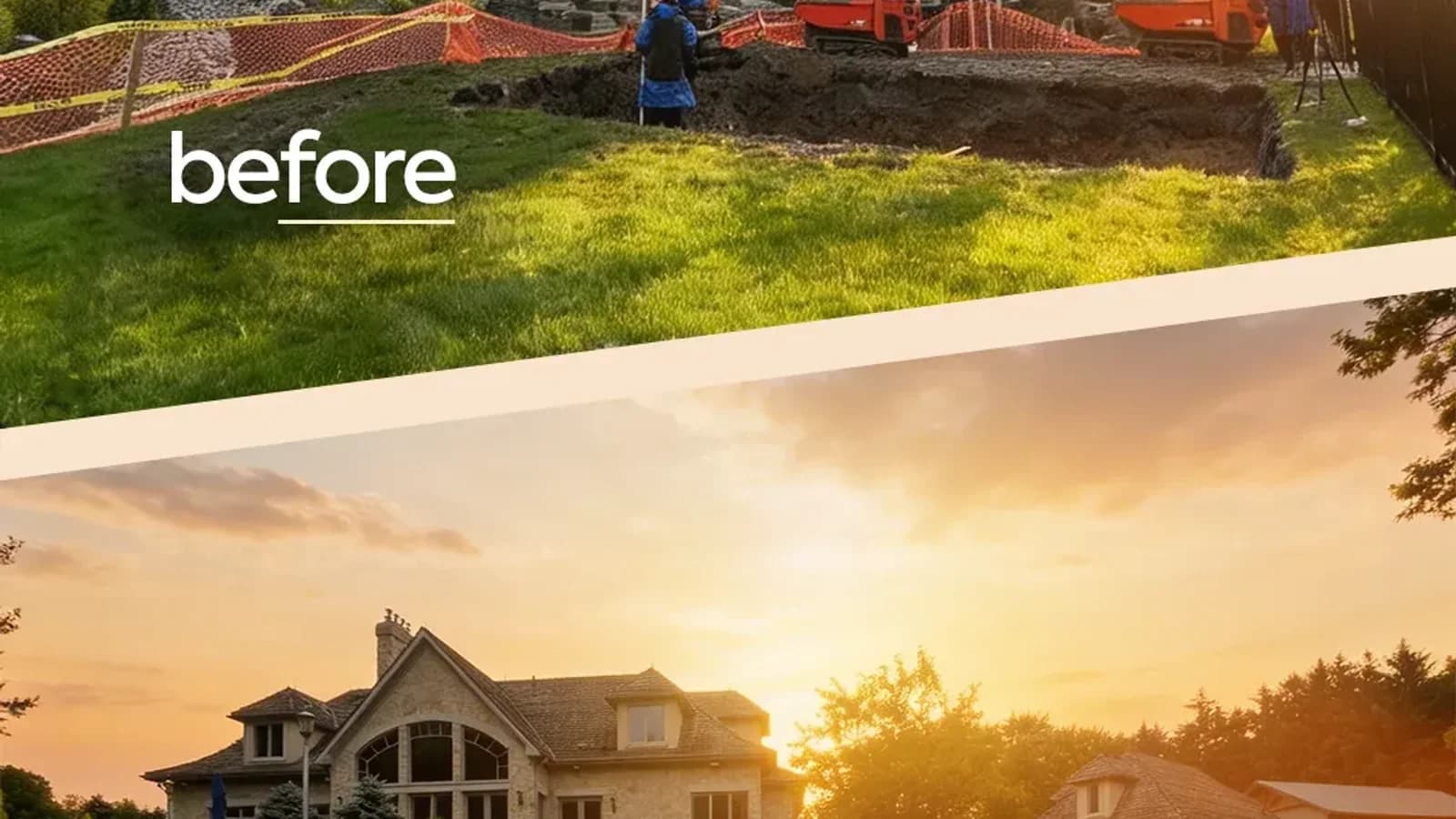
On Meta the creative is the targeting. We produce enough of it to actually learn something, run the account against cost per purchase or per lead, and stop pretending a single hero ad is a strategy.
Get a free account auditBuilt so the algorithm gets enough signal to learn, rather than split across a dozen ad sets that each starve before they exit learning.
Statics, carousels and reels made in house specifically for paid, with multiple hooks per concept so testing means something.
A steady cadence of new concepts and variants. On Meta, creative fatigue is the usual cause of a rising cost per result, not the bidding.
Broad targeting where the algorithm performs best, plus retargeting of people who actually engaged, which is almost always the cheapest result.
Pixel plus server-side events so Meta can still optimise after browser restrictions. Poor tracking here reliably looks like poor performance.
Cost per purchase or per qualified lead, checked against what your own systems recorded rather than against what the platform claims.
( BY THE NUMBERS )
Finance your Facebook & Instagram Ads engagement through Tabit and pay in flexible installments if that suits your business. Rates as low as 0%, and pre-qualifying is a soft check.
Ad spend goes to Meta directly. We charge for the work, not a cut of the media.
Prices in CAD, taxes extra.
Our operating system for growth: one continuous cycle that turns strategy, creative, execution and performance into a single engine.
Tracking verified first, then account structure and the first wave of creative concepts built and launched together.
Winners scaled, fatigued creative retired, and new hooks introduced on a cadence before performance decays rather than after.
A repeatable creative pipeline feeding the account, so testing never stalls waiting on assets.
Budget raised on proven concepts, new placements and formats opened, and the creative volume raised to match the spend.
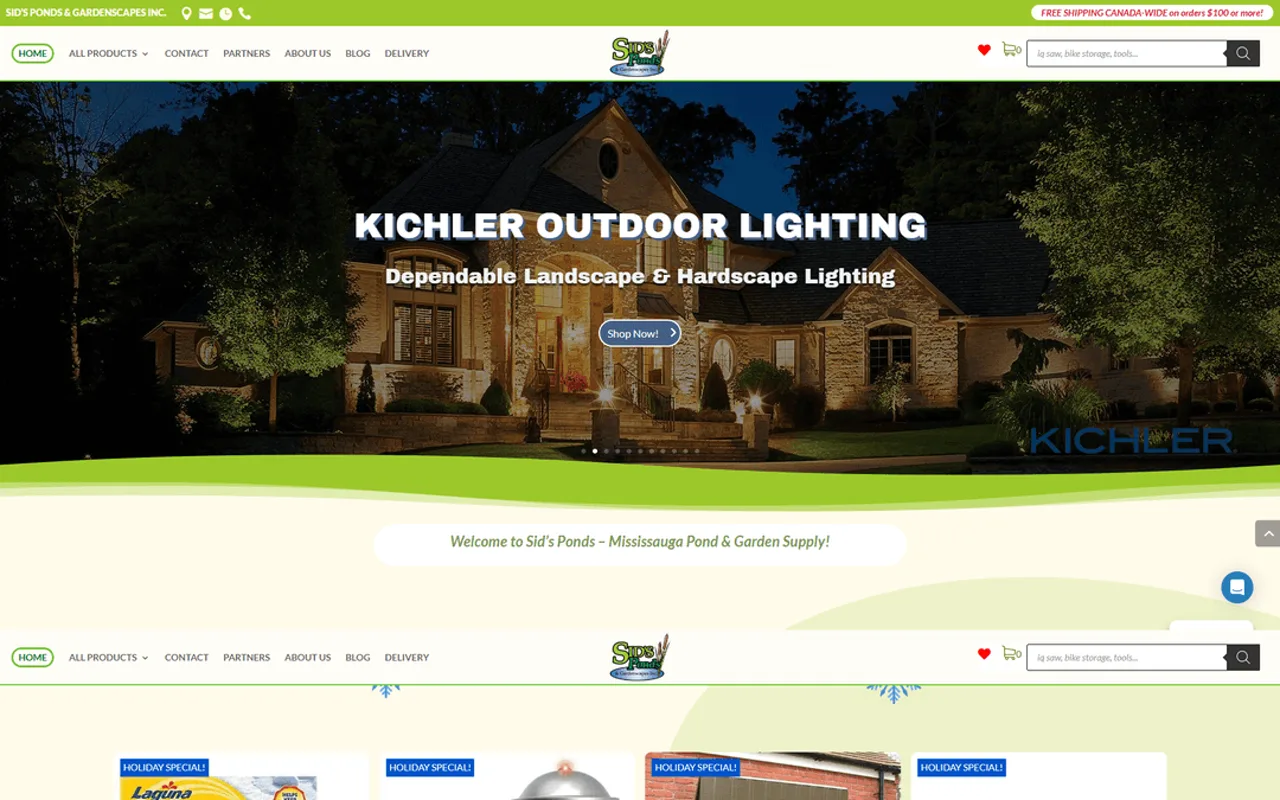
Every lead form lands in your CRM with an instant text reply, so paid clicks stop going cold. Growth Boss OS is the CRM and marketing platform our clients run on. Subscribe and your account is live in minutes.
There is a version of Facebook advertising, roughly 2016, where the win came from clever audience stacking. That era is over. Meta's algorithm now finds the buyer better than manual targeting does, provided you give it a clear objective, clean signal and enough creative to work with.
Which means the job moved. The differentiator is now how much good creative you can produce and how fast you can learn from it. An agency that manages your account without making your ads is managing the least important half, which is exactly why creative production sits inside this service rather than being quoted separately.
Browser-level restrictions mean a pixel on its own now misses a meaningful share of events. Meta optimises toward whatever it can see, so an account with degraded signal will quietly deliver worse results while looking like a bidding problem.
So we verify tracking first: pixel plus the Conversions API sending server-side events, deduplication configured properly, and event quality checked rather than assumed. Then we reconcile what Meta reports against what your own systems recorded, because platform-attributed revenue and actual revenue are different numbers and only one of them pays wages.
Google captures demand that already exists. Someone typed the thing; the intent is there and the creative job is small. Meta creates demand: nobody opened Instagram intending to buy, so your ad has to earn the attention before it can sell anything. The same budget behaves completely differently across the two.
Broadly, if people actively search for what you sell, start on Google Ads. If your product is visual, impulse-friendly or genuinely new to the buyer, start on Meta. Many businesses eventually run both, with Google capturing the demand that Meta created. We will tell you which to start with rather than selling both on day one.
A healthy Meta account needs new creative continuously, because every concept fatigues. That is a production problem more than a media problem, and it is the reason accounts plateau: the media buyer runs out of things to test.
We solve it upstream. A capture day produces raw material for a quarter of ad creative, and the content creation pipeline turns it into hooks and variants on a cadence. Organic and paid then share the same supply, which is cheaper than commissioning ad creative separately and means the best-performing organic posts can be put behind spend directly. The social media side covers the organic half.
Meta rewards volume. Under roughly $1,500 a month in media there is rarely enough data to exit the learning phase on more than one or two concepts, which makes testing slow and conclusions unreliable. Ecommerce and visual, considered-purchase businesses tend to do best; highly technical B2B with a tiny addressable audience usually does not.
Ad spend is paid by you directly to Meta and kept separate from management fees, so you can always see what the media earned against what the management cost. If you want to check the arithmetic before committing, the free ROAS calculator is a fast sanity check, then get in touch.
Pick the work that fits or let us scope the whole thing. Either way, you're talking to a real operator within a business day, not a sales rep.
