The One Thing Missing From Most Ecommerce Growth Stacks
Most ecommerce brands nail brand, paid traffic, SEO, and conversion, then skip the one layer that protects everything they've built. Here's the full framework.
Most ecommerce brands are built in layers.
First comes the brand. Then paid traffic. Then SEO. Then conversion optimization. Each layer gets added as the business matures, and each one makes the next more effective.
It's a logical progression, and most growing brands follow it without thinking too hard about it.
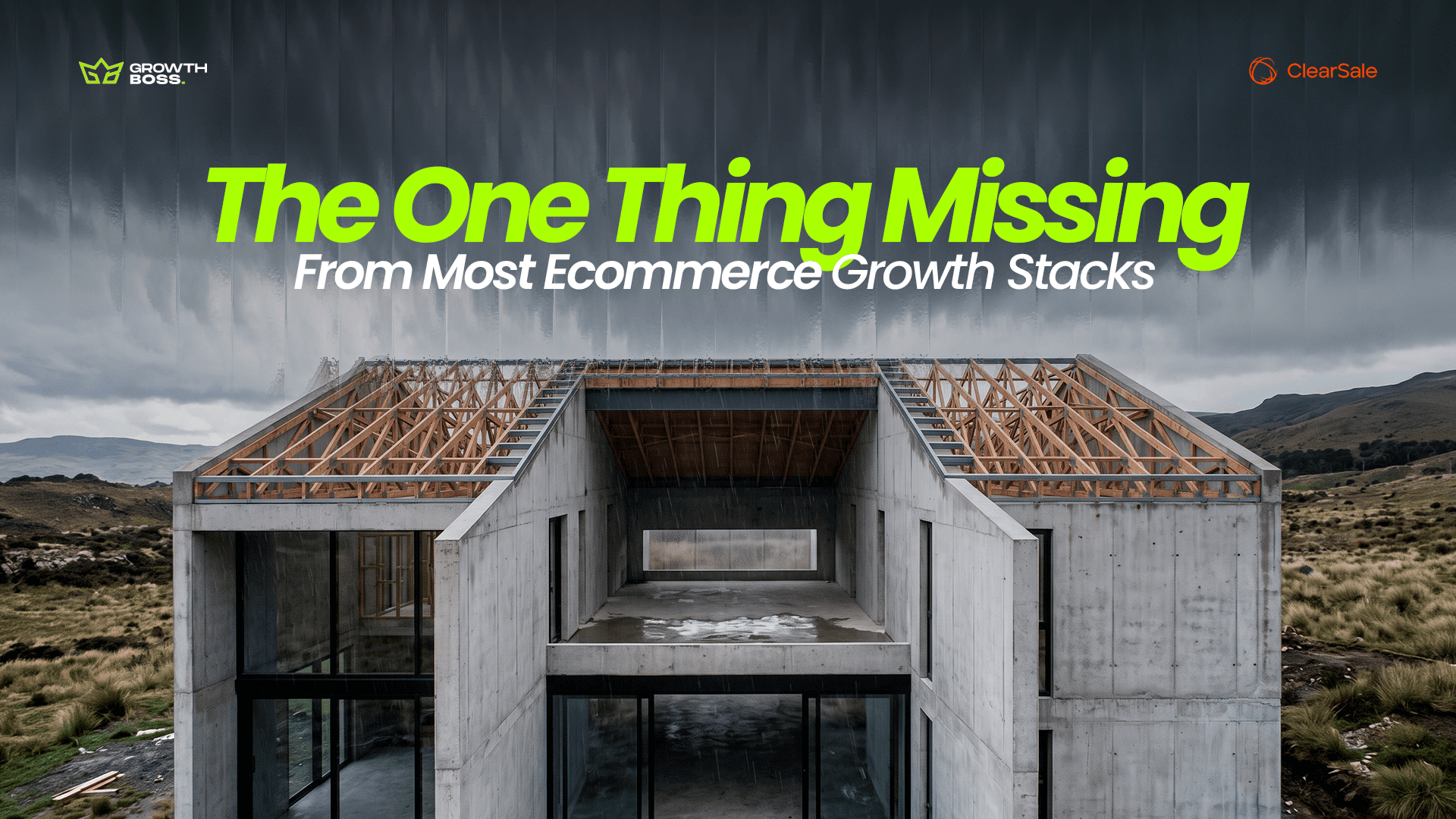
The problem is that almost every brand stops at four layers, and skips the fifth one entirely: the one that protects everything the other four built.
Layer 1: Brand
Brand is the foundation. It's what makes someone trust you before they've bought from you, remember you after they have, and choose you over a cheaper competitor.
Without it, every other layer becomes harder. Paid ads cost more when there's no brand recognition to reinforce the click. SEO drives traffic that doesn't convert because nothing earns the trust needed to close the sale.
A strong brand doesn't just look good. It does work.
Layer 2: Paid Traffic
Paid traffic is the accelerant. Meta, Google, TikTok, the channels change, but the function is the same: buy attention at a predictable cost and point it at your store.
Done well, paid traffic is the fastest way to test what works and scale what converts. Done without the other layers in place, it's an expensive way to find out your funnel leaks.
Layer 3: SEO
SEO is a long game. It compounds. A well-ranked product page or blog post keeps pulling traffic without ongoing spend, month after month, year after year.
Most brands underinvest in SEO early and feel the absence of it later. The brands that start early build an asset that pays dividends long after the ad campaigns have run their course.
Layer 4: Conversion
Conversion is where everything else either pays off or falls apart. The right offer, the right page, the right checkout experience, small improvements here multiply the return on every layer above it.
This is also where most brands stop. Four layers in, growth is working, and the instinct is to keep scaling what's already running.
Layer 5: Fraud Protection
This is the layer almost nobody adds until they have to.
By the time most brands think about fraud protection, chargebacks are already eating into margin, legitimate customers are getting blocked at checkout, and the payment processor is paying attention to the chargeback ratio.
Fraud protection isn't a reactive measure. It's infrastructure, the same way fulfillment, payment processing, and customer service are infrastructure. It protects the revenue that every other layer worked to generate.
Without it, you're running a growth system with an open drain at the bottom. Our breakdown of what fraud actually costs a scaling ecommerce brand goes deeper on the math.
The Full Stack
A properly built ecommerce operation covers all five layers:
- Brand: builds trust and makes every other layer more efficient.
- Paid traffic: accelerates growth at a predictable cost.
- SEO: compounds over time and reduces dependence on paid spend.
- Conversion: multiplies the return on everything above it.
- Fraud protection: keeps what you earn.
Growth Boss covers the first four. ClearSale covers the fifth. Together, that's a complete growth stack, acquisition and protection working as one system, not two separate afterthoughts.
If you're auditing what you already have, the question isn't just "what's performing?" It's "what's protecting everything that is?"
Frequently asked questions
What is an ecommerce growth stack? An ecommerce growth stack is the set of systems and channels a brand uses to acquire customers and grow revenue, typically including brand, paid traffic, SEO, and conversion optimization. Fraud protection is the layer most brands add too late.
Why is fraud protection part of the growth stack? Because fraud and false declines directly affect marketing ROI. Chargebacks reduce net margin and inflate the true cost of customer acquisition. False declines block legitimate buyers that paid ads and SEO worked to bring in.
What does a complete ecommerce stack look like? Brand, paid traffic, SEO, conversion optimization, and fraud protection. Each layer makes the others more effective, and the fifth one protects the revenue the first four generate.
Ready to build the full stack? Book a call with Growth Boss to cover brand, paid traffic, SEO, and conversion, or learn more about ClearSale for fraud protection.
Related reading on the Growth Boss blog: Scaling Without Fraud Protection Is Like Building a House Without a Roof and Polished Ads Are Dead: Why UGC Converts 6.7× Better in 2026.
Reviewed by Bahaa Zuraik under our editorial policy.